News & Views arrow
March 31, 2026

The Talent Gap in Robotics Isn’t Where You Think

As robotics moves deeper into industrial and infrastructure applications, the demands on talent are changing. Mitch Black looks at why execution-focused engineers are in short supply, and why that matters for companies trying to scale in the real world.

Spend enough time around robotics and you’ll hear a familiar concern: there isn’t enough talent.

That’s true, but it’s also a simplification. The real talent gap isn’t at the front end of the pipeline—universities are producing more robotics engineers, AI specialists, and researchers than ever, and the research community is vibrant, well-funded, and advancing quickly.

The gap shows up when you try to take a system out of the lab and make it work—reliably, repeatedly, and at scale—in the real world.

From Breakthrough to Throughput

There is a meaningful difference between building a prototype and building a business, and in robotics, that difference is often where things stall.

A system might work perfectly in a controlled environment, but deploying that same system on a factory floor, in a recycling facility, or on a construction site introduces a different set of challenges: variability, safety considerations, uptime requirements, integration with existing workflows… and the reality that things rarely behave as expected.

What Companies Actually Need

Robotics and other forms of automation have a huge role to play in enabling certain industrial processes to scale effectively, and we have made a number of investments in this area, most recently Molg and R3 Robotics. But when we talk with leadership teams of these companies and across our portfolio, the hiring challenge is remarkably consistent. They are not just looking for brilliant researchers, they are looking for people who can:

  • Get robots working in messy, real-world environments for multiple clients (not laboratories)
  • Debug complex systems under pressure
  • Integrate hardware, software, and operations
  • Ship, disassemble and iterate quickly, without compromising safety or reliability

In other words, they need people who can operate in a for profit setting at the intersection of engineering and execution.

Molg: Robotics Meets Reality

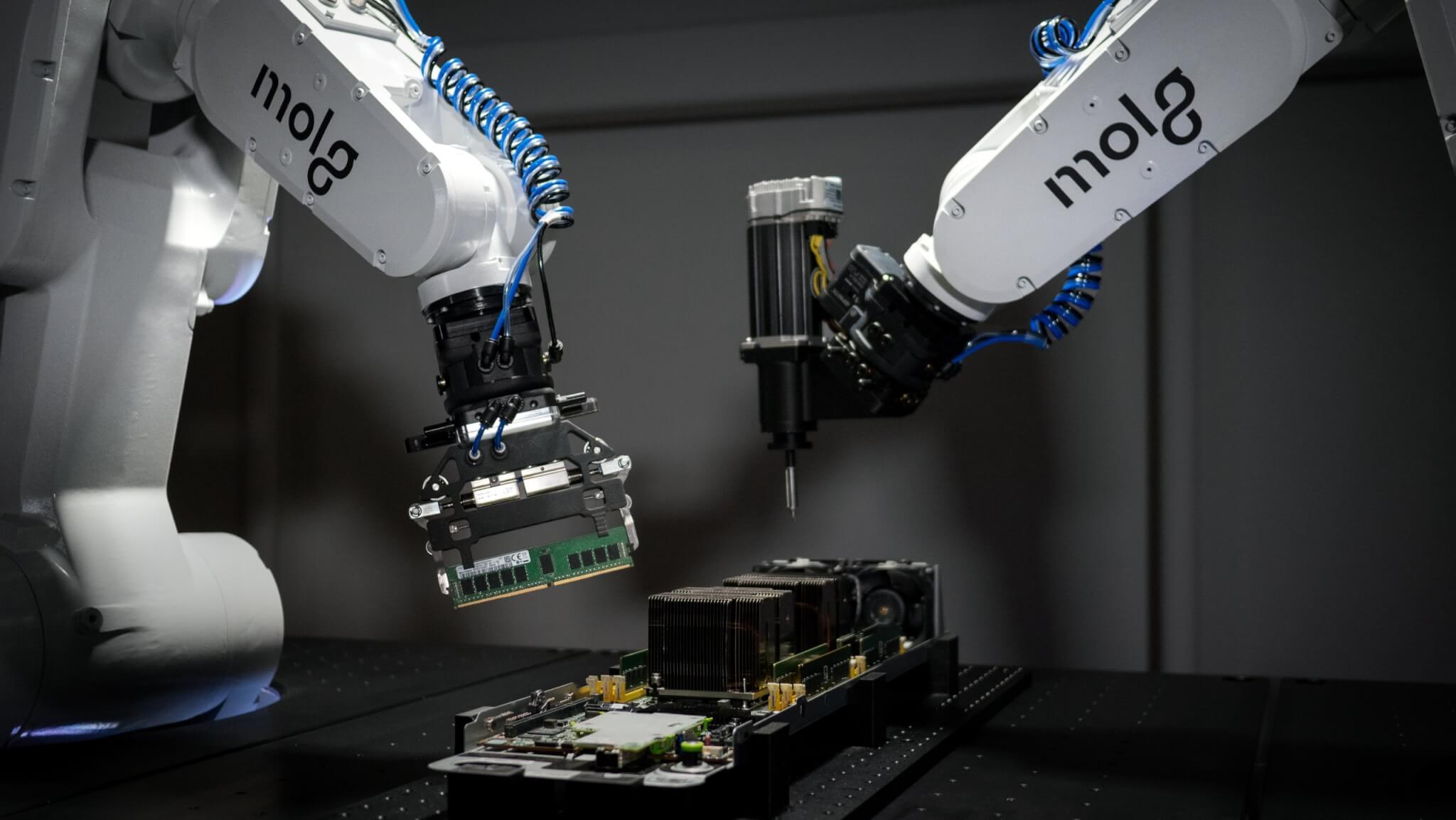
You can see this clearly at Molg. Molg is rethinking how electronics are assembled and disassembled, using robotics and automation to enable more flexible, localized, and circular manufacturing.

It’s an ambitious vision, but the bottleneck right now isn’t the idea, it’s scaling it.

Molg currently has 18 open roles, and the most critical hire is a Director of Software—someone who can lead the development of systems that don’t just work in theory, but work consistently in production, someone who can make robots perform in real environments, at speed, under constraints.

R3 Robotics: Safety, Scale, and Execution

R3 Robotics is located on the other side of the Atlantic, in Luxembourg, but we see the same pattern here.

R3 is tackling one of the most difficult and overlooked challenges in battery recycling: disassembly. Using robotics and software, the company is making the process safer, faster, and more scalable.

Once again, there is no shortage of demand; the challenge is execution.

Battery packs are heavy, hazardous, and highly variable in design, and systems need to adapt, operate safely, and maintain performance over time. That requires an engineering mindset grounded in real-world practicalities.

A Structural Mismatch

Part of the issue is structural. Over the past decade, we’ve built a talent pipeline that is heavily oriented toward research and software. That has created tremendous value, but it has also left a gap in the kinds of skills required to operationalize robotics and industrial systems.

The result is a shortage of people who can turn ideas into working systems, deployed at scale.

Why This Matters Now

This gap is becoming more important, not less. As robotics and AI move deeper into physical industries—manufacturing, infrastructure, energy, recycling—the ability to execute in real-world environments becomes a competitive advantage.

The companies that succeed won’t just have the best models or the most elegant designs, they will have the teams that can make those systems work where it counts.

Closing the Gap

There is no ‘silver bullet’ here, in fact a few things that need to happen:

  • Greater emphasis on hands-on, systems-level engineering
  • Closer collaboration between industry and academia
  • More pathways for engineers to gain real-world deployment experience
  • A recognition that “execution talent” is not secondary, it is core

At HG Ventures, this is something we think about a lot.

We invest in companies that operate in the physical world, where performance, safety, and reliability are non-negotiable. We also invest in CEOs and management teams that can attract talent and build teams. These teams need support so we work closely with our portfolio to help them find the talent they need to scale.

In robotics, the breakthrough is only the beginning. It’s what happens next that makes the real difference.

For a list of open roles at Molg and other portfolio companies, visit our Job Opportunities portal.
News & Views arrow
December 16, 2025

Universities Are The New Engines of Innovation

HG Ventures’ Venture Director, Mitch Black shares his optimism for the entrepreneurial culture fostered by many universities.

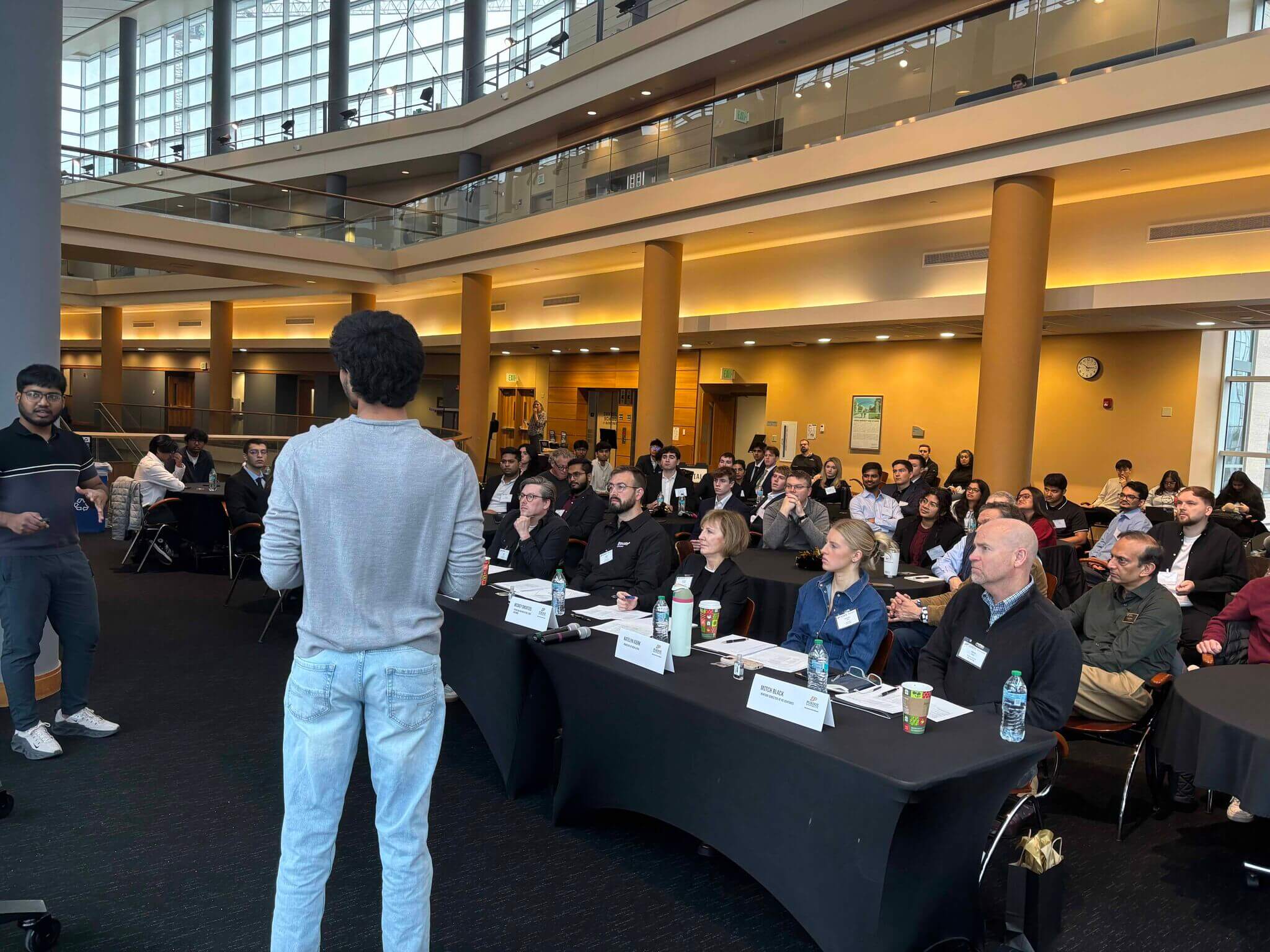
I recently had the privilege of serving as a judge at Purdue University’s 37th Burton D. Morgan Venture Concept Competition, and I walked away genuinely inspired. As someone who went to college in the 1980s, I can say confidently: this level of entrepreneurial support simply didn’t exist back then.

We didn’t have pitch days, venture competitions, incubators, customer discovery programs, or mentors teaching us about how to build a successful start-up. New business ideas and innovation were things you stumbled into — not something your university actively equipped you to pursue. Seeing what Purdue and other universities are doing today made something very clear: Universities have evolved into true engines of entrepreneurism and innovation.

Customer-focused thinking

What impressed me most about the presenters in the Purdue competition wasn’t just their energy, it was their commercial maturity. It’s uncommon to see early-stage founders — let alone students — frame their ventures through the lens of what the customer is trying to accomplish. Yet team after team showed they understood not just what their solution does, but why it matters, for whom, and under what circumstances.

As someone who evaluates and supports early-stage ventures, this level of structured, customer-centric thinking is what differentiates an idea from an investable opportunity. Watching these students pitch made me reflect on how valuable these environments are. Universities today are offering what many of us never had:

  • Safe spaces to experiment
  • Access to mentors, investors, and domain experts
  • Tools and frameworks for real-world problem solving
  • A community that celebrates creativity and calculated risk-taking

This is the kind of foundation we look for at HG Ventures when we partner with founders. The earlier people learn to validate assumptions, understand markets, and build with customer empathy, the faster they can scale meaningful impact. Events like Purdue’s instill confidence in young entrepreneurs to build beyond customer and market discovery, especially in defining the right business structure (entity formation, governance, IP strategy, and early financing mechanics).

I can’t help thinking what would my path have looked like if this kind of ecosystem had existed when I was in college, where I walked to my classes up hill in the snow both ways. We can’t go back in time, but we can be part of shaping the future. And at HG Ventures, that’s exactly what excites us — investing in people who transform challenges into opportunities. These students are approaching innovation with discipline and real commercial thinking. They’re not just dreaming up companies; they’re solving tangible problems with intention.

The future is in good hands

Now, as a venture capitalist (and recovering entrepreneur), that gives me tremendous optimism for what comes next. Here’s to the students who pitched, the teams who coached them, the community that showed up, and the leaders at Purdue who make it all possible. If yesterday was any indication, the future of innovation is in very capable hands.

News & Views arrow
June 5, 2025

The start-up CEO balance: Leading with Vision and Operating with Discipline

Venture Director, Mitch Black explains why startup CEOs must balance bold vision with disciplined execution, and how understanding one’s own strengths can make all the difference. Drawing from both personal experience and his work mentoring founders, Mitch offers practical insights for navigating this leadership challenge.

Many first-time founders and entrepreneurs struggle to balance big-picture vision with day-to-day execution. Especially in the early stages, founders are expected to articulate an inspiring future while also delivering results in the here and now. Doing either well is a challenge, but both? After many years of leading organizations, I am now advising and mentoring start-up CEOs and founding teams and see the struggle of balancing vision and operating discipline consistently.

Finding the Balance: Vision vs. Execution

Vision is a long-term, aspirational goal that defines where a company wants to be in the future. The founder normally “sees” the WHY and even the WHY NOW in projecting the company’s future impact. Meanwhile, operating discipline in a startup refers to the ability to consistently execute business activities with focus, structure, and accountability, even during the roller coaster ride that describes early-stage companies.

So how do I know if I am better at one or the other?

Many people assume that all founder CEOs are magnetic personalities and see the world from 50,000 feet and motivate people through sheer will. While many founders certainly fit that description, others may be more naturally technical and internally focused; and while these leaders are skilled at building, aligning resources and developing a solution to solve a market-driven problem, scaling a business with vision to build long-term value can be a challenge. The former is more common, but both are important to succeed.

I find founders and entrepreneurs typically already have vision and then learn operating discipline. And learning it really is critical. It is a key point to enabling startups to scale successfully versus those businesses that fade away. This starts with strategic planning and milestones then evolves into KPIs and tactical measures underpinned by team communication. There are many frameworks designed for driving operating disciplines such as OKRs, SMART Goals or EOS. My advice, just pick one and stick to it. Be consistent.

Know Your Strengths

Few founder CEOs possess both vision and operational excellence right out of the gate. I started my career in sales and then management in a larger company well before leading a company. So while my ability to apply vision early in my career was limited, the benefit of working for a larger company was understanding first-hand how operating disciplines in your business can drive organizational accountability and execution.

If you are visionary founder and unsure if operational discipline is a strength, ask your mentors, investors or friends, or consider taking a simple personality/EQ test, like StrengthsFinder or DiSC.

Knowing who you are is a gift and attempting to be someone else is a recipe for failure. If a visionary founder lacks operating discipline, it can be learned, to a point. I recommend always leaning into your strengths and offsetting weaknesses by surrounding yourself with people that complement you. If possessing or developing operation discipline is a stretch, find a co-founder or key number two with the ability to develop a disciplined operating process and rhythm around your vision.

Simply put, the more successful founders that evolve into great CEOs often possess both vision and operational excellence. If it is still in the early stages of the business, know who you are now and act accordingly.

News & Views arrow
July 16, 2024

Introducing HG Ventures’ Entrepreneur-in-Residence

The Heritage Group’s New Venture Group—which includes HG Ventures and The Heritage Group Accelerator—recently appointed Mitch Black to the newly created role of Entrepreneur-in-Residence. Here, Mitch outlines his vision for that role, and how founders stand to benefit. 

When thinking about why The Heritage Group sought to bring on board an Entrepreneur-in-Residence, or EIR, the immediate questions that need answering are: ‘Why now?’ and ‘Why me?’.

First let’s cover the ‘Why now?’ and a little background on the EIR role and The Heritage Group to provide context.

Mitch Black
Mitch Black, Entrepreneur-in-Residence

Why Hire an Entrepreneur-in-Residence now?

Traditionally, the EIR role has been positioned in venture capital or private equity as a CEO-in-waiting or stepping-stone to lead a portfolio company or a new start-up venture. EIRs may also be temporarily placed inside portfolio companies to build, innovate and scale new opportunities or products. Recently that role has started to shift within VC and CVCs. Rather than being a temporary launching pad, the role of EIR is now being conceived as a permanent fixture within a firm, where value is created continuously by contributing to the success of its portfolio companies and investments.

Enter The Heritage Group’s New Ventures arm, which includes HG Ventures and The Heritage Group Accelerator. HG Ventures supports innovation and growth across The Heritage Group by investing in startup companies developing new technologies in both its core and adjacent markets. Since its inception in 2018, HG Ventures has invested in 35 companies. The Accelerator is entering its sixth year and is an intensive accelerator program designed to propel hard tech startups. The program offers investment and access to world-class corporate labs and mentors from seasoned entrepreneurs within and outside The Heritage Group.

Over the past six years, HG Ventures has not only added more portfolio companies, but those same companies have continued to evolve into various stages and ages of growth. The Accelerator has concurrently matured in its applicant acceptance process and overall program relevance in the competitive hard tech accelerator marketplace.

One of the primary investment theses of both HG Ventures and the Accelerator is to bring value beyond just capital investment. This value includes providing resources borne out of The Heritage Group including things like market insight, research and development expertise, pilot testing and market connectivity. Now an opportunity has emerged to expand that value further to the already-thriving venture capital arm, established accelerator program and emerging internal incubation efforts. This new value includes delivering commercial insight and mentoring those individuals–start-up Founders and CEOs–in which HG Ventures and the Heritage Group Accelerator has invested time and capital.

Why Me?

My professional objective at this stage of my career is to move from an operating role into an advisory/mentoring role, so the timing of the emergence of this EIR role has created a serendipitous opportunity for both of us.

I have enjoyed a long career as both an entrepreneur and executive with companies at various stages. For the past ten years, I have led venture and private equity backed companies that include two successful exits, multiple capital raises and yes, even a few unsuccessful outcomes.

Most of my career has been in the technology and software space, not hard tech. While I am learning every day more about the Heritage Group and its markets, The Heritage Group’s New Venture arm has a world-class team, seasoned in the industry. They do not need another chemistry PhD or professional hard tech investor, but someone that has ‘been there and done that’ as a startup founder and executive.

My passion lies now in enabling leaders and investors to move their business from one stage to another. This may include moving a startup from early stage to market fit into go-to-market acceleration or scaling a growth business to exit. I love helping businesses and leaders to plan, evolve, adjust and scale their businesses for success, which can also mean something different to the individual founder and its growing stakeholders, just as I did as an operator.

I am looking forward to the next chapter of my career as Entrepreneur-in-Residence here and driving value for HG Ventures, The Heritage Group Accelerator and its constituents.