
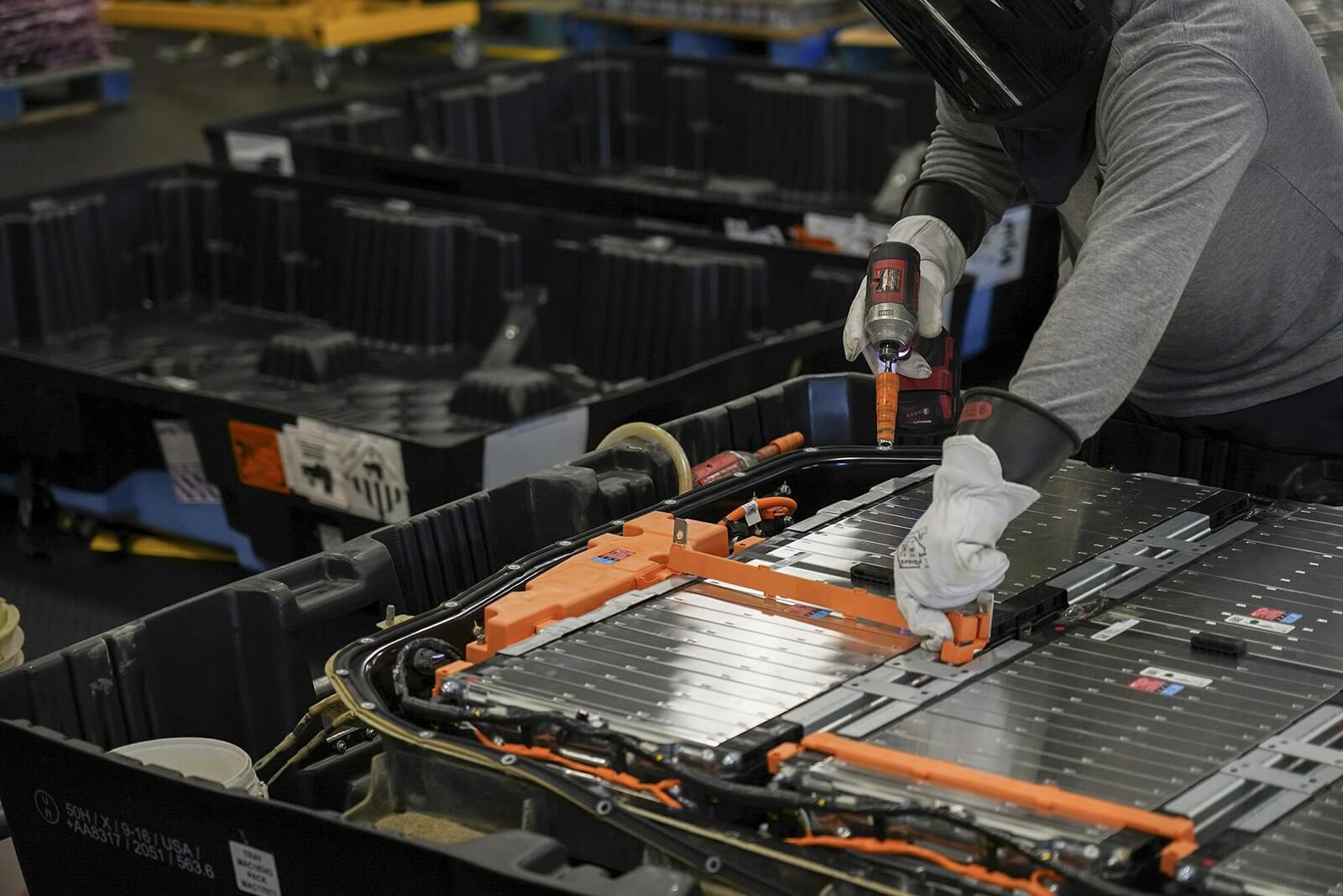
Beyond Recycling: What Colorado’s Battery Law Signals About the Future of Critical Minerals
On June 3, Governor Jared Polis signed Senate Bill 26-003 into law, marking a landmark bill by Colorado to establish a framework that specifically requires recovery of critical minerals from unwanted end-of-life electric vehicle batteries. The law sets mineral-specific targets for cobalt, nickel, and lithium, creating a new structure for how batteries move through the end-of-life system.
Colorado's law takes a sharply different view of battery recycling, treating circularity for critical minerals as an industrial systems question rather than a narrower recycling one.
For years, battery recyclers have faced a difficult operating environment. The battery recycling industry has built technical capability, economics are often tied to commodity prices, feedstock supply can be a challenge, and much of the refinement part of the value creation happens outside of North America. The result was a market with strong long-term logic but one that requires greater onshoring of critical processing and manufacturing capabilities to strengthen supply chain resilience.
Colorado changes that dynamic, by continuing to support what is working in the market and putting backstops in place for challenging batteries. By creating mandatory collection pathways and enforceable recovery expectations, the law helps turn battery recycling from an optional economic choice into a regulated responsibility. The shift is meaningful because it supports investment in infrastructure that can operate reliably across price cycles rather than only when commodity markets are favorable.
Why the old model struggled
When a spent lithium-ion battery arrives at a recycler, the first major step is to go through a shredding process where the output is a product called black massBlack mass is an intermediate material produced by shredding spent batteries. It contains critical minerals — lithium, nickel, and cobalt — but must still be refined before those minerals can return to battery supply chains.: an intermediate material that contains critical minerals including lithium, nickel and cobalt. Black mass still must be refined before those minerals can be returned to battery supply chains.
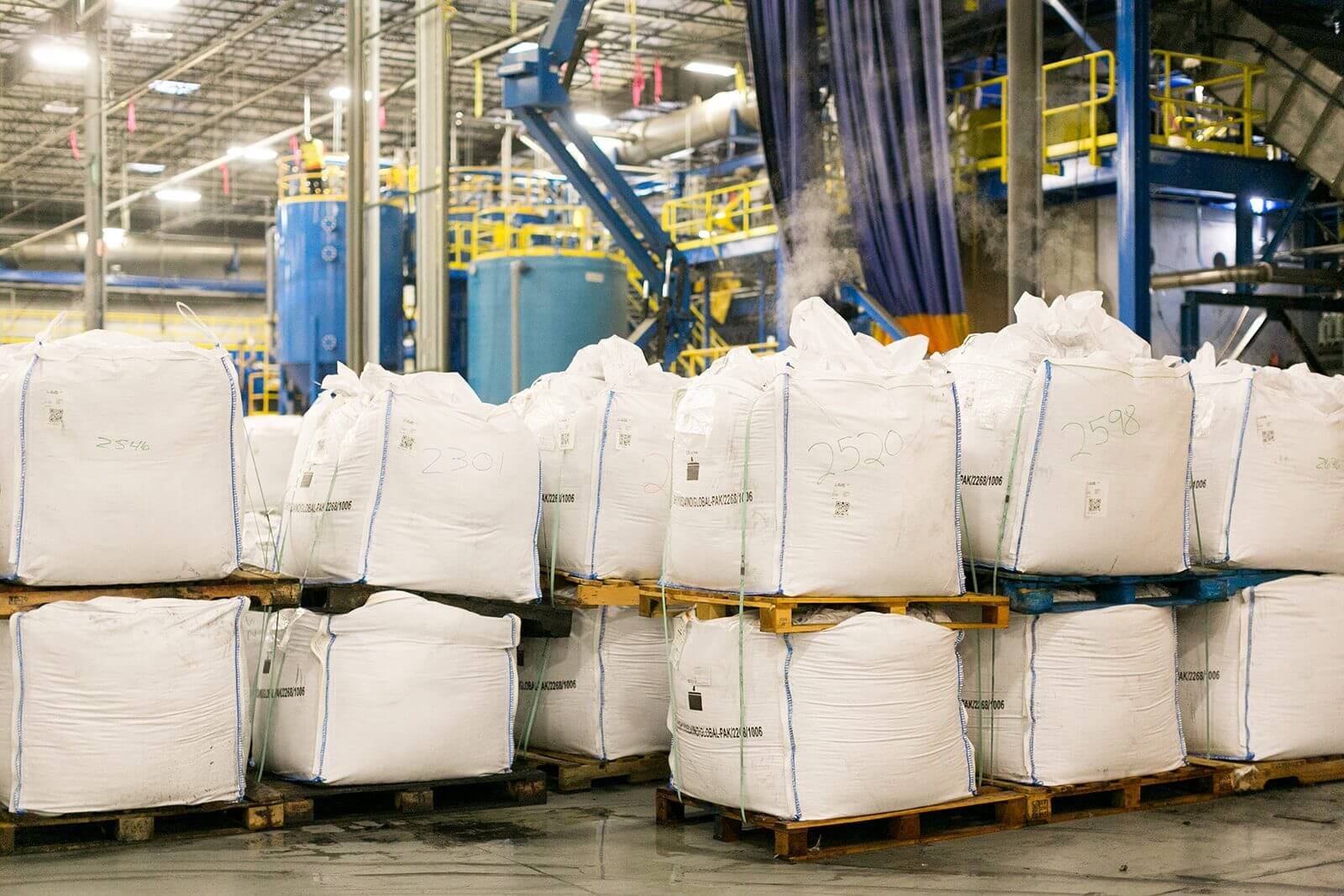
Historically, much of this material has been exported or processed through systems that do not retain the full value chain domestically. The result was a gap between collection and true circular recovery. Economics of recycling depend on both commodity prices and access to enough feedstock to keep facilities running efficiently.
When metal prices fall, margins can compress. And when recovery obligations are voluntary, there is no structural guarantee that material would flow to the most capable processors.
Colorado's law addresses those gaps by changing the rules of the market itself. Rather than asking whether recycling is valuable, it makes recovery a condition of doing business in the battery ecosystem.
What the law changes
The most important feature of SB 26-003 is that it allows for existing markets to continue to work and optimize, while putting a backstop in for products that put undue burden on the rest of the supply chain.
First, the law places collection responsibility of unwanted batteries on producers and creates a more predictable flow of end-of-life batteries into compliant processing channels.
Second, the law establishes specific recovery expectations for lithium, cobalt, and nickel. This is especially important for lithium, which has historically been more difficult to recover economically and was often treated as optional when market conditions were weak. By setting mineral-specific targets, Colorado makes recovery performance measurable and harder to ignore.
Third, the law pushes the system toward higher-standard processing rather than the lowest-cost disposal or pathways. This protects long-term material value because the industry needs systems that can recover the full slate of critical minerals, not just the most valuable fraction.
The broader effect: Colorado is building the conditions for a more reliable domestic recovery industry by making collection, processing, and recovery part of a compliance framework.
Why this matters now
This law arrives at a moment when the U.S. is increasingly focused on domestic supply chains for strategic materials. Lithium, cobalt, and nickel are inputs to far more than EVs: grid storage, industrial electrification, and broader energy security.
End-of-life batteries are now more than a waste stream. They are a strategic domestic resource stream.
As the EV fleet grows and ages, the volume of recoverable material will increase significantly. But that future arrives only if the infrastructure exists to capture it safely and efficiently. The bottlenecks are not just policy. They are operational: how batteries are identified, transported, dismantled, processed, and traced.
This is why the opportunity is shifting away from the broad story of "recycling" and toward the underlying industrial and critical mineral infrastructure. The companies that lead this next phase will be the ones that can do the hard physical work of battery circularity at scale.
Where HG Ventures is building
HG Ventures has been investing across the full battery circularity system because we believe the transition requires connected capabilities, not isolated technologies.

Titan Advanced Energy Solutions
Titan Advanced Energy Solutions strengthens the front end of the battery value chain. Its ultrasound-based inspection technology enables battery manufacturers to non-destructively assess cell quality during production, improving yield, safety, and manufacturing consistency. Building a resilient domestic battery ecosystem depends not only on recovering critical minerals at end-of-life, but also on producing higher-quality batteries that remain in service longer and generate more predictable material flows over time.
Envita Solutions
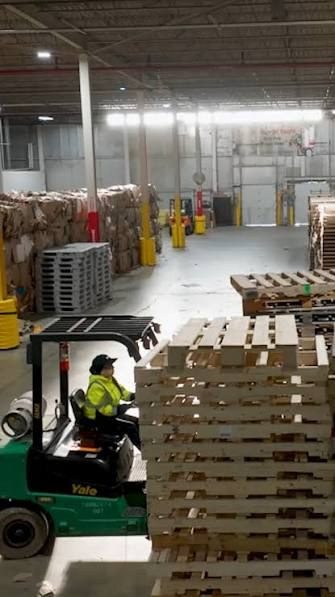
Envita Solutions, a total waste management company, provides the environmental services and hazardous-material handling capabilities that support safe battery management across the automotive manufacturing system. As regulation tightens, compliance stops being a back-office function and becomes part of the infrastructure itself.
R3 Robotics
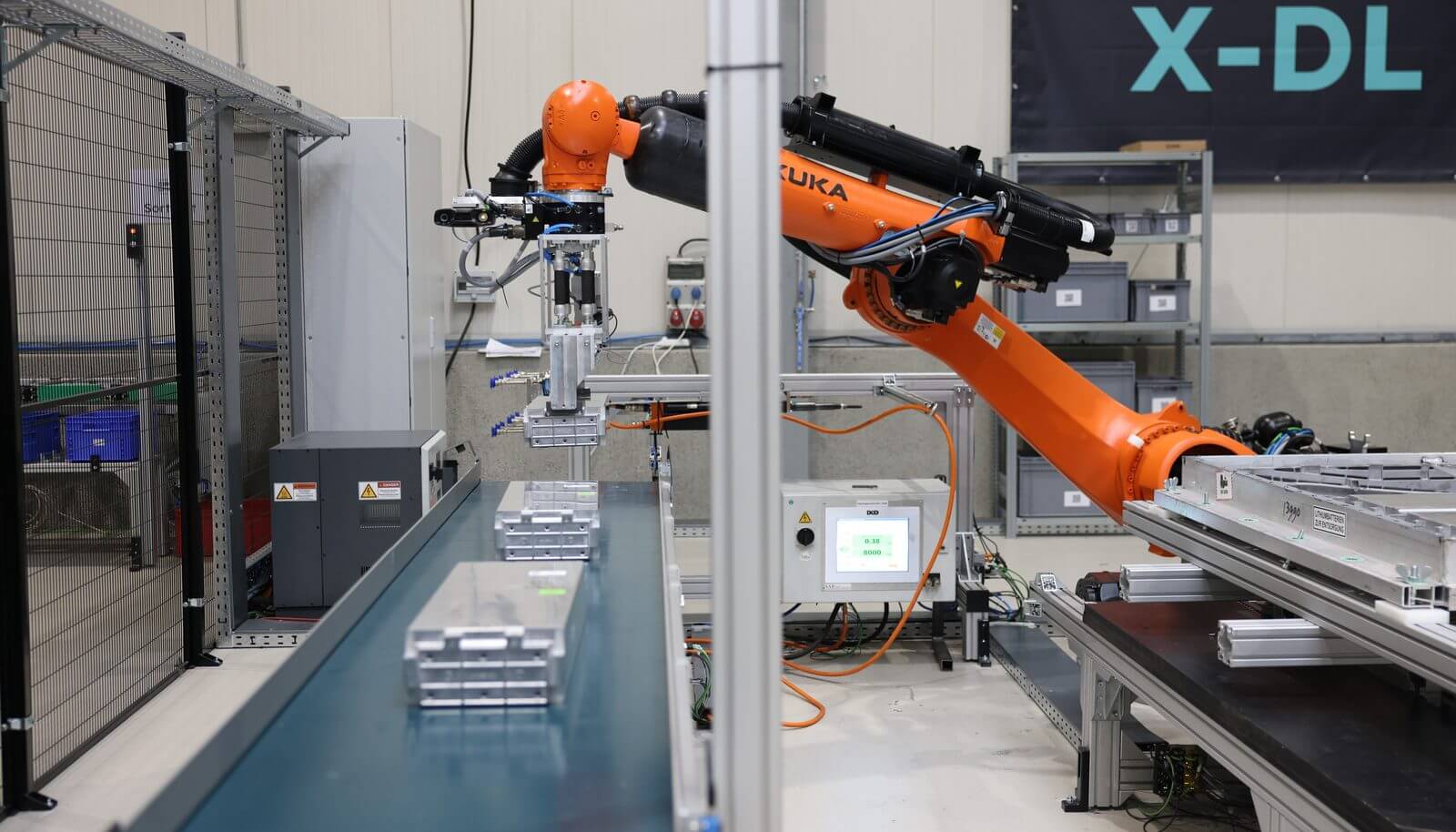
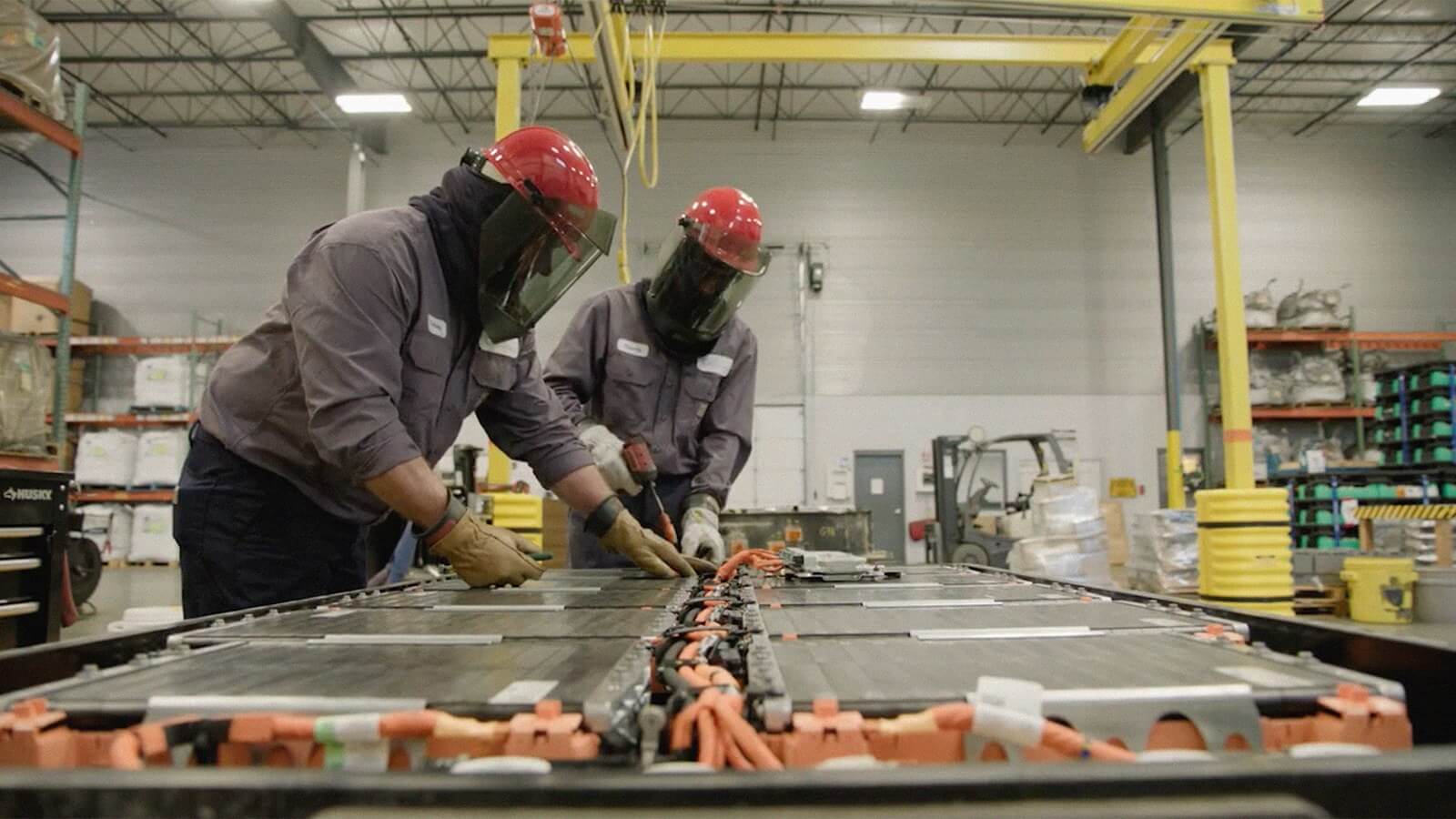
R3 Robotics addresses the disassembly bottleneck. EV batteries are complex, high-voltage systems that are slow and hazardous to take apart manually. R3's robotic disassembly capability improves throughput, repeatability, safety, and traceability — all of which become more important as volumes rise.
Cirba Solutions
Cirba Solutions anchors our position in battery materials processing. Once batteries have been disassembled and processed to black mass, Cirba Solutions provides the hydrometallurgical refining capability needed to recover lithium, cobalt, and nickel and move them back toward battery-grade materials. In a market increasingly shaped by compliance requirements and domestic resilience goals, that kind of operating depth is an advantage.
Together, these capabilities span the battery lifecycle, from manufacturing quality and safe handling to disassembly and critical-mineral recovery. The thesis is simple: building a resilient domestic battery supply chain requires an integrated industrial system, not a single technology.
The Bigger Opportunity
Colorado's battery law does not solve every challenge facing the industry. Recycling economics will continue to fluctuate, technologies will continue to evolve, and building domestic processing capacity will take years.
What the law does change is the foundation on which those investments are made.
By making battery collection, mineral recovery, and product responsibility part of a regulatory framework rather than a voluntary market, Colorado creates stronger incentives to build the infrastructure needed for a domestic circular battery economy. The winners will be decided by more than the best chemistry or the lowest processing costs. They will be the operators that can safely move batteries through every stage of the lifecycle, recover critical minerals reliably, and provide the transparency and traceability that regulators, manufacturers, and customers increasingly expect.
Beyond encouraging more battery recycling, Colorado is beginning to define what a modern battery recovery system should look like.
For investors, that distinction matters. The opportunity extends well beyond recyclers themselves to the technologies and industrial capabilities that make circularity possible, from battery manufacturing and safe handling to disassembly, materials recovery, and environmental compliance.
That is where HG Ventures sees the next generation of value being created: not in a single step of the process, but across the infrastructure that will underpin a more resilient domestic critical minerals supply chain.